Airjet and Waterjet Loom Machines in Surat: Manufacturer, Supplier & Complete Buying Guide
Compare Airjet and Waterjet Loom Machines in Surat, including prices, manufacturers, suppliers, features, selection tips,...
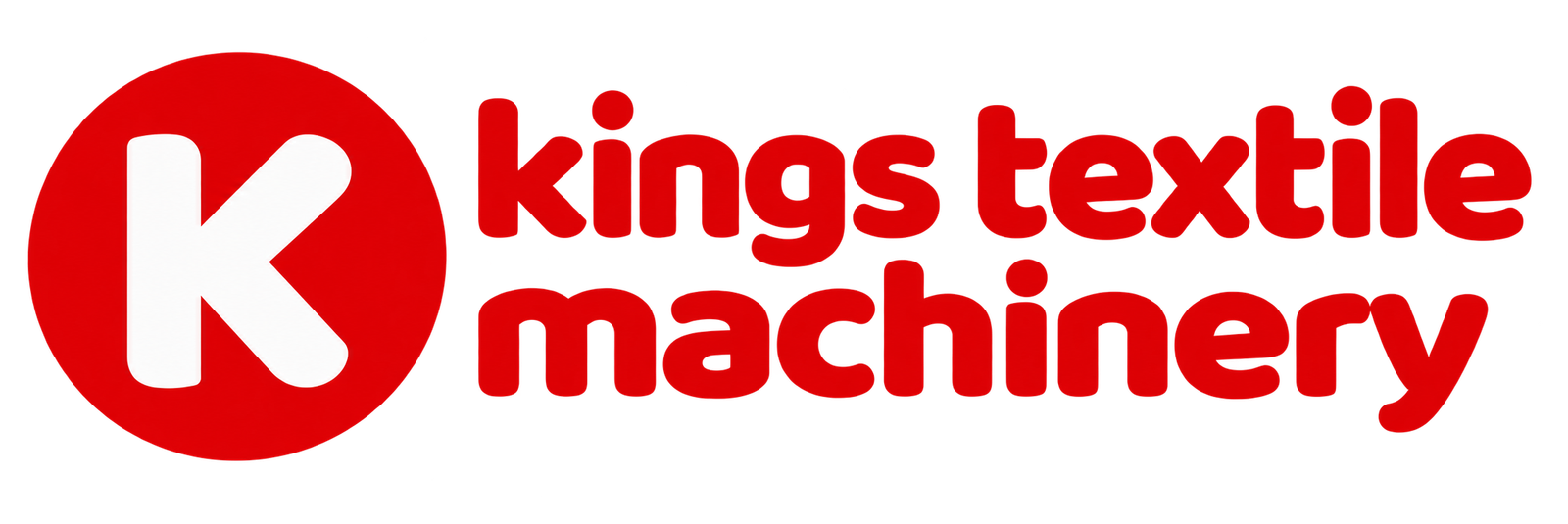
Learn how to choose a Waterjet Loom Machine Manufacturer And Supplier in India, including machine types, prices, features, suppliers, maintenance and buying tips.
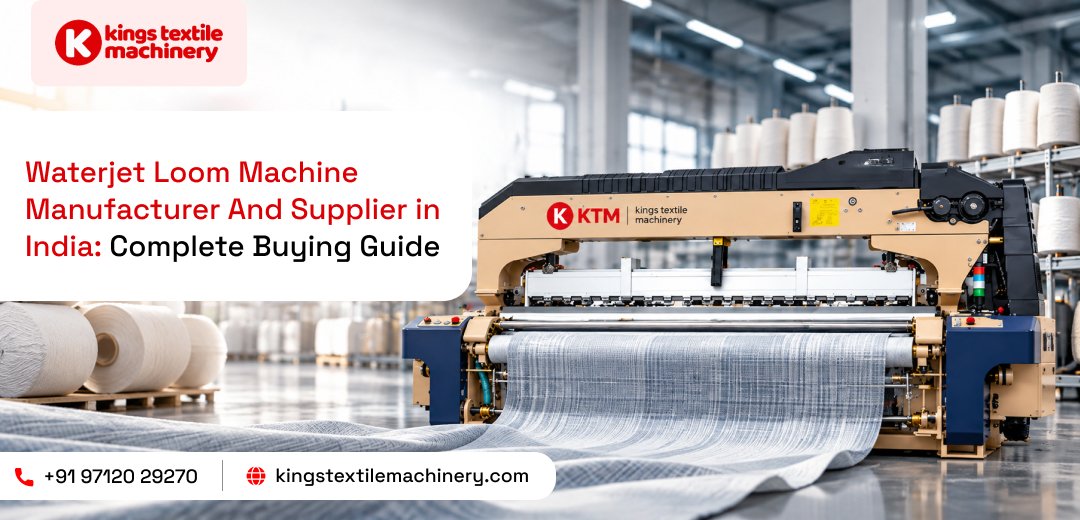
The textile industry in India continues to evolve with increasing demand for efficient weaving machinery, better production capabilities, and reliable textile manufacturing solutions. For businesses involved in fabric manufacturing and weaving, selecting the right loom machine is an important investment decision.
A Waterjet Loom Machine Manufacturer And Supplier in India can help textile manufacturers evaluate suitable machinery based on fabric type, yarn characteristics, production capacity, machine configuration, and factory requirements.
Waterjet Looms are used for specific weaving applications where water-based weft insertion is suitable for the fabric and yarn. However, choosing the right machine requires more than comparing prices or production speeds.
This complete buying guide explains what textile manufacturers should know before purchasing a Waterjet Loom Machine in India.
A Waterjet Loom is a weaving machine that uses a controlled stream of water to insert the weft yarn across the warp during the weaving process.
Waterjet weaving technology can be suitable for specific fabric and yarn applications, particularly where the characteristics of the material are compatible with water-based weft insertion.
The suitability of a Waterjet Loom depends on factors such as:
Before investing in a Waterjet Loom, textile manufacturers should evaluate these factors according to their specific production application.
Waterjet Looms can provide an efficient weaving solution for suitable applications.
Depending on the machine and production setup, potential benefits may include:
However, these benefits depend on the machine configuration, fabric, yarn, operating conditions, and production environment.
The right Waterjet Loom should therefore be selected according to the actual requirements of the textile business.
Before purchasing a Waterjet Loom, evaluate the following factors.
The first consideration should be the type of fabric you plan to manufacture.
Different fabrics have different weaving requirements. Discuss your intended fabric application with the supplier before selecting the machine.
Yarn type and characteristics can influence machine suitability.
Provide information such as yarn type, count, and other relevant specifications when discussing your machinery requirement.
Working width is another important machine specification.
Choose a machine configuration that matches your required fabric width and production objectives.
Determine your expected production output before purchasing the machine.
Your production target can influence the number of machines, machine configuration, and overall investment.
Compare machine configurations based on the actual application rather than focusing only on one specification such as speed.
Waterjet Looms require appropriate infrastructure for their operation.
Consider:
Understand the machine’s maintenance requirements before purchasing.
Ask the supplier about preventive maintenance, servicing, replacement components, and technical support.
Spare-parts availability is important for long-term machine support.
Ask about commonly required components, replacement procedures, availability, and sourcing.
Technical support can become important when production teams experience operational or performance-related concerns.
Understand what technical support the supplier provides before finalizing your purchase.
Don’t evaluate the machine only by its purchase price.
Consider the complete investment, including:
A machine with a lower initial price may not always provide the best long-term value.
When choosing a Waterjet Loom Machine Manufacturer And Supplier in India, look for a company that can understand your production requirements and provide appropriate machinery support.
A reliable supplier should be able to discuss:
The relationship with a machinery supplier should ideally continue beyond the initial purchase.
The terms manufacturer and supplier are sometimes used interchangeably, but they can represent different roles.
A Waterjet Loom Manufacturer may be directly involved in designing or producing the machinery.
A Waterjet Loom Supplier may provide or distribute machinery to textile businesses.
Depending on the business model, a company may operate across manufacturing, supply, distribution, consultation, installation, and support.
For textile manufacturers, the important question is whether the company can provide the machinery and support required for the specific project.
One of the most common questions from textile manufacturers is the price of a Waterjet Loom in India.
There is no single price because the final cost can vary depending on:
Instead of relying on a generic price estimate, businesses should provide their production requirements and request a detailed quotation.
This allows the supplier to recommend a suitable machine and provide more relevant pricing information.
Waterjet Looms can be considered by textile manufacturers looking for suitable weaving machinery for compatible applications.
Businesses may evaluate Waterjet Looms for:
Before investing, evaluate whether the machine is suitable for your fabric, yarn, production target, and available infrastructure.
Weaving mills often operate multiple machines and need to consider the overall production environment when purchasing additional equipment.
For an existing weaving mill, consider:
A machinery supplier can help evaluate the new machine in relation to the existing production setup.
The JK508 Water Jet Loom is one of the Waterjet Loom solutions available from Kings Textile Machinery.
Businesses evaluating the JK508 can review its machine specifications, production application, configuration, and suitability according to their requirements.
Before purchasing, discuss:
Considering the JK508 Water Jet Loom? Contact Kings Textile Machinery for a quotation.
The JK822 WATER JET LOOM is another Waterjet Loom solution offered by Kings Textile Machinery.
Textile manufacturers evaluating the JK822 should consider its specifications alongside their production requirements.
Important factors include:
Contact Kings Textile Machinery to discuss whether the JK822 is suitable for your production application.
After purchasing a Waterjet Loom, proper installation and commissioning are important steps before beginning production.
Installation requirements can include:
The exact installation and commissioning scope depends on the machine and project.
All installation and commissioning work should follow applicable manufacturer documentation and safety requirements.
Regular maintenance can help textile manufacturers manage machine condition and identify potential concerns.
Maintenance requirements may include:
The appropriate maintenance schedule should be based on the manufacturer’s recommendations, machine usage, operating conditions, and production environment.
Spare parts are an important consideration when purchasing a Waterjet Loom.
Components may need replacement due to normal wear, maintenance requirements, servicing, or machinery issues.
When requesting a spare part, provide:
Providing accurate information can help the supplier identify the required component more effectively.
Both Waterjet and Airjet Looms are used for weaving applications, but they use different methods for weft insertion.
| Factor | Waterjet Loom | Airjet Loom |
| Weft insertion | Water | Air |
| Suitable application | Depends on fabric and yarn | Depends on fabric and yarn |
| Utility | Water-related infrastructure | Compressed air |
| Production | Suitable high-speed applications | Suitable high-speed applications |
| Selection | Application-specific | Application-specific |
Neither technology is universally better.
The right machine depends on your fabric, yarn, production requirements, factory infrastructure, investment, and long-term objectives.
Kings Textile Machinery provides textile machinery solutions for manufacturers and weaving businesses across India.
With 12+ years of experience and 200+ clients, we understand that every textile business can have different machinery requirements.
Our solutions include:
Our approach is focused on understanding your production requirement before discussing the appropriate machinery solution.
Follow these steps before purchasing:
Identify the fabric you plan to produce.
Document your yarn type and relevant specifications.
Define your expected production output.
Compare suitable Waterjet Loom models according to your application.
Evaluate machinery quality, experience, technical support, installation, maintenance, and spare parts.
Consider the complete cost rather than only the machine price.
Provide your complete production requirement to the supplier.
Discuss installation, commissioning, technical support, maintenance, and spare-parts requirements before finalizing the purchase.
Choosing a Waterjet Loom Machine Manufacturer And Supplier in India is an important decision for textile manufacturers, weaving mills, and fabric producers.
The right machine should match your fabric, yarn, production capacity, factory infrastructure, and long-term business objectives.
Don’t choose a Waterjet Loom based only on price or machine speed. Evaluate the complete solution, including installation, commissioning, technical support, maintenance, spare parts, and supplier experience.
Kings Textile Machinery provides Waterjet Loom Solutions in India for businesses setting up new production facilities, expanding existing operations, replacing machinery, or evaluating modern weaving solutions.
With 12+ years of experience and 200+ clients, our team can discuss your Waterjet Loom requirement and help you take the next step.
Looking for a Waterjet Loom Machine Manufacturer And Supplier in India? Contact Kings Textile Machinery for a machinery consultation and quotation.
A Waterjet Loom is a weaving machine that uses a controlled stream of water to insert the weft yarn across the warp. It can be suitable for specific fabric and yarn applications where waterjet weaving technology matches the production requirement. The machine’s suitability depends on fabric type, yarn characteristics, working width, production capacity, machine configuration, and factory infrastructure. Textile manufacturers should evaluate these factors before purchasing a Waterjet Loom to ensure the machine is appropriate for their intended application.
The price of a Waterjet Loom in India depends on factors such as machine model, specifications, working width, production capability, configuration, automation, accessories, supplier, and project requirements. Installation, utilities, maintenance, spare parts, and technical support can also affect the overall investment. Because prices vary between machines and projects, it is better to provide your specific production requirements and request a quotation from a supplier. This allows the supplier to recommend a suitable machine and provide more relevant pricing.
Evaluate the supplier based on machinery quality, experience, machine specifications, production suitability, installation support, commissioning, technical assistance, maintenance, spare-parts availability, and after-sales support. You should also check whether the supplier understands your fabric, yarn, and production requirements. Don’t compare suppliers only on machine price. A supplier that can support your machinery throughout its operating life may provide better long-term value. Request detailed quotations and compare the complete machinery investment before making your decision.
Waterjet Loom suitability depends on the fabric construction, yarn characteristics, and specific machine configuration. Waterjet weaving is commonly considered for certain synthetic filament yarn applications and compatible fabrics. However, suitability should always be evaluated for the specific production requirement. Factors such as yarn type, fabric construction, required width, production target, and machine specifications should be discussed with a qualified machinery supplier before purchase. The supplier can help determine whether a Waterjet Loom is appropriate for your intended fabric application.
The primary difference is the medium used for weft insertion. A Waterjet Loom uses water, while an Airjet Loom uses air. Both can support high-speed weaving applications, but their suitability depends on the fabric, yarn, production requirements, and factory infrastructure. Waterjet Looms require appropriate water-related infrastructure, while Airjet Looms require compressed-air capabilities. Neither technology is universally better. Textile manufacturers should select the machine based on their specific production application, operating environment, and business objectives.
Yes, Kings Textile Machinery provides Waterjet Loom solutions for textile businesses across India. The company can discuss Waterjet Loom requirements for new factories, existing weaving mills, production expansion, machinery replacement, and other suitable applications. Kings Textile Machinery offers solutions including Waterjet Looms, machinery consultation, installation support, commissioning and testing, technical support, maintenance, and spare-parts requirements, depending on the project. Contact the team with your fabric, yarn, production capacity, and machine requirements to discuss your project.
Before buying a Waterjet Loom, consider fabric type, yarn characteristics, working width, production capacity, machine configuration, factory space, water requirements, utilities, maintenance, spare parts, technical support, installation, and total investment. You should also consider your future production expansion plans. The machine should be selected according to your actual application rather than price alone. Providing your complete production requirements to a machinery supplier can help you compare suitable machine options and make a more informed purchasing decision.
Kings Textile Machinery can discuss Waterjet Loom installation, commissioning, technical support, maintenance, and spare-parts requirements based on the specific machine and project scope. Installation and commissioning should follow applicable manufacturer documentation and safety requirements. Technical support can help production teams address operational or performance-related concerns, while maintenance support can help businesses manage machinery condition. The exact scope of each service depends on the machine and project. Contact Kings Textile Machinery with your Waterjet Loom requirements to discuss the appropriate support.
 Oct 08, 2026
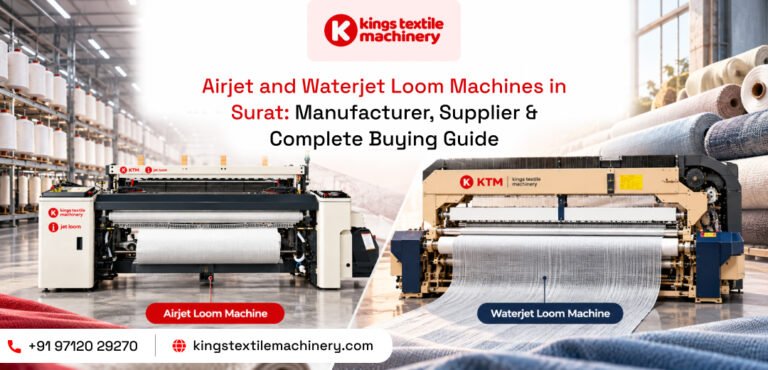
Compare Airjet and Waterjet Loom Machines in Surat, including prices, manufacturers, suppliers, features, selection tips,...
 Jul 17, 2026
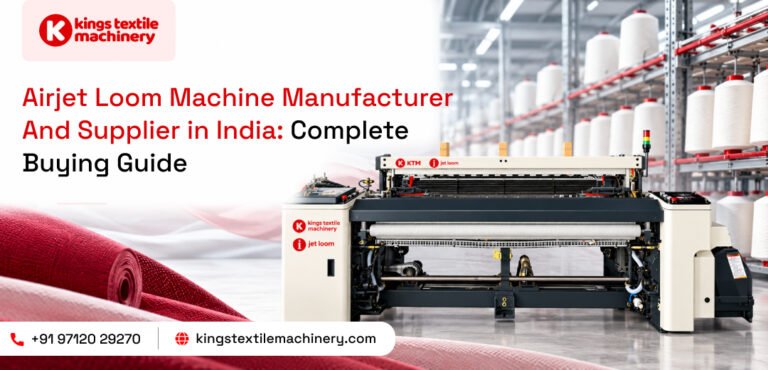
Learn how to choose an Airjet Loom Machine Manufacturer And Supplier in India, including machine...
 Jul 17, 2026
Find the right Textile Machinery Dealer And Supplier in Surat with this complete buying guide...
 Jul 17, 2026
Find reliable Textile Machinery Suppliers in India with this complete buying guide covering machine types,...